
When most people think of dental implants, they picture a single tooth being replaced one post at a time. All-on-4 implants work on an entirely different principle, and for patients facing significant tooth loss, understanding that difference could change the course of their treatment entirely.
This article breaks down exactly what each option involves, how they compare in real life and how to know which one makes sense for your situation
What Are Traditional Dental Implants?
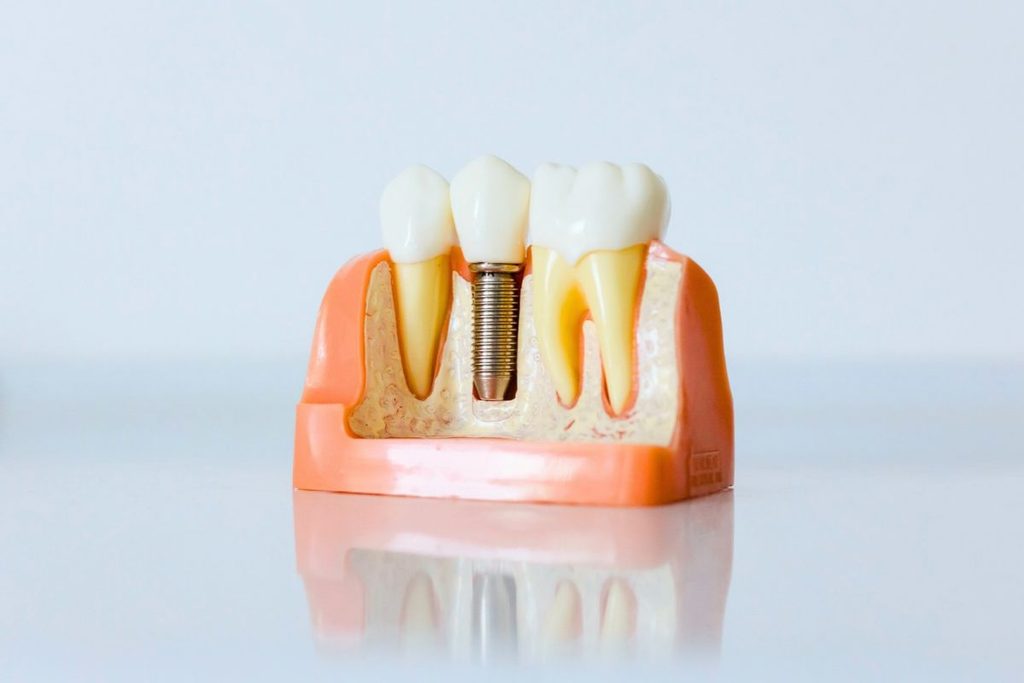
Traditional dental implants replace missing teeth individually.
Each implant consists of a titanium post surgically placed into the jawbone at the site of a single missing tooth. Once the post fuses with the bone through a process called osseointegration, a custom crown is attached on top. The result is a permanent, standalone tooth replacement that functions and looks like the natural tooth it replaces.
What Are All-on-4 Implants?
All-on-4 is a full-arch restoration technique developed to replace an entire jaw of teeth using just four strategically placed implants.
Rather than inserting one post per missing tooth, the All-on-4 method uses two straight implants at the front of the jaw and two angled implants at the rear, placed at up to 45 degrees. This angulation allows the rear implants to make contact with denser, more anterior bone, bypassing areas where bone loss is most common following tooth loss.
A fixed prosthetic arch, replacing all visible teeth in the jaw, is then secured onto these four points.
Four implants support a full set of teeth, upper or lower or both
The angled rear implants maximise contact with available bone
A temporary fixed arch is often fitted on the same day as surgery
The final permanent arch is placed once osseointegration is complete, typically after three to six months.
How Do the Two Approaches Differ Structurally?
| Feature | Traditional Implant | All-on-4 Implants |
| Implants required per arch | One per missing tooth | Four per arch |
| Suitable for | Single or multiple missing teeth | Full arch or near-full arch loss |
| Bone grafting often required | Yes, if bone loss is present | Rarely, due to angled placement |
| Same-day teeth possible | Case dependent | Yes, in most cases |
| Treatment timeline | Same day or up to 6 months | Often same day to six months |
| Cost per arch | Higher for full arch | lower for full arch |
Who Is a Candidate for Traditional Implants?
Traditional dental implants are best suited to patients who have lost one or several teeth but retain a largely intact dental arch.
- Patients missing one to three teeth in an otherwise healthy arch
- Those with sufficient bone volume at the specific site of tooth loss
- Patients who are not facing imminent full-arch tooth loss
- Individuals who want to preserve and protect adjacent natural teeth
Who Is a Candidate for All-on-4 Implants?
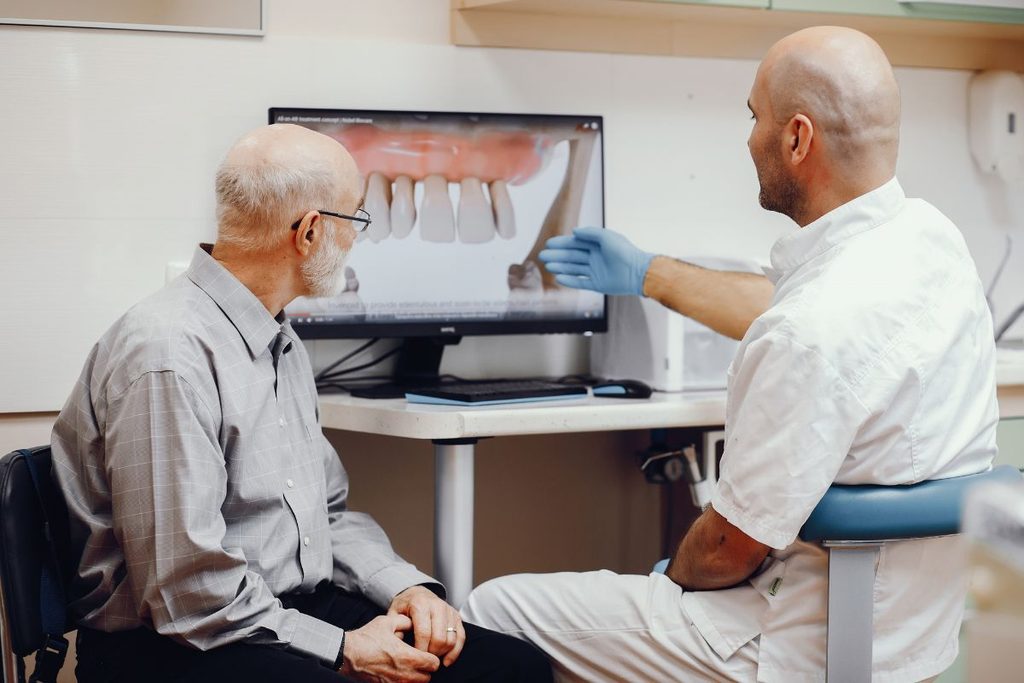
All-on-4 is designed for patients who have lost most or all of their teeth in one or both jaws, or whose remaining teeth are failing and require extraction.
The angled implant placement is specifically engineered to work with the bone that remains after significant tooth loss, meaning many patients who would be told they lack sufficient bone for traditional implants are still suitable candidates for All-on-4 without the need for grafting.
- Patients with full or near-full arch tooth loss
- Long-term denture wearers seeking a fixed, permanent alternative
- Those who have been told they have insufficient bone for conventional implants
- Patients who want to avoid the extended timelines and multiple surgeries involved in replacing each tooth individually
- Individuals in good general health with realistic expectations about the prosthetic result
Does All-on-4 Require Bone Grafting?

This is one of the most clinically significant advantages of All-on-4 over traditional implants for patients with bone loss.
Traditional dental implants placed in areas of low bone density frequently require bone grafting to build up sufficient volume before the implant post can be placed. This adds a surgical procedure, a healing period of three to nine months and additional cost to the overall treatment.
The angled placement of the rear implants in All-on-4 allows them to anchor into denser bone further forward in the jaw, where bone volume is generally better preserved even after significant tooth loss. As a result, the majority of All-on-4 patients do not require bone grafting before treatment.
What Is the Difference in Treatment Timeline?
Traditional implants placed one by one for a full arch of missing teeth can involve twelve to eighteen months of staged procedures, healing periods and appointments before the final restorations are complete.
All-on-4 compresses this considerably. Because only four implants are placed in a single surgical session and a temporary fixed arch can be attached the same day, many patients leave the clinic with a complete set of teeth within 24 hours of surgery.
How Do You Care for All-on-4 Implants Compared to Traditional Implants?

Traditional implants are cared for largely like natural teeth. Brushing, flossing around each crown and regular professional cleans are the primary requirements.
All-on-4 prostheses require attention to the area beneath the fixed arch, where food debris can accumulate between the bridge and the gum.
- A water flosser is particularly effective for cleaning beneath the All-on-4 arch where conventional floss cannot reach easily
- Interdental brushes and implant-specific floss are also recommended
- Professional cleaning appointments every six months are essential for both approaches
- Patients with All-on-4 restorations should avoid extremely hard foods that could fracture the prosthetic arch
At Dental Square, our specialist team will do a thorough diagnostic process to determine which approach will serve you best in the long term. Book a consultation with Dr Ayesha Thajudeen today and take the first step toward a treatment plan built around your specific needs.
Frequently Asked Questions
Can All-on-4 implants be removed once they are placed?
No. All-on-4 implants are a fixed, definitive solution. The prosthetic arch is secured onto the four implants and is not removable by the patient. It can be removed by a dental professional for maintenance or adjustment if required, but this is not a routine occurrence.
How long do All-on-4 implants last?
With proper care and regular professional monitoring, All-on-4 implants are designed to last for decades. The titanium posts themselves are considered definitive. The prosthetic arch may require replacement or adjustment over time due to normal wear, typically after ten to fifteen years. At Dental Square your implant fixtures come to you with a Lifetime warranty.
Is the All-on-4 procedure painful?
The procedure is carried out under local anaesthesia and, in many cases, sedation, making the surgery itself comfortable. Post-operative discomfort is to be expected and is manageable with prescribed pain relief. Most patients report that the recovery is less uncomfortable than anticipated given the scale of the procedure.