
Table of Contents
A broken tooth is one of those things that tends to happen at the worst possible moment, and the first question most people have is a simple one, can it actually be fixed? The answer, in most cases, is yes. Broken tooth repair has advanced considerably, and the right treatment depends on how much of the tooth remains, where the tooth fracture has occurred and whether the nerve has been affected.
Here is a clear breakdown of your options, what each one involves and how to know which one applies to your situation.
Does a Broken Tooth Always Need Immediate Treatment?

Not every broken tooth is a dental emergency, but none of them should be ignored.
A small chip on the edge of a tooth may cause no pain and carry no immediate risk. A break that exposes the inner layer of the tooth, the dentine, or one that reaches the nerve is a different matter entirely. Exposed dentine is sensitive and vulnerable to bacteria, and an exposed nerve is not something that resolves on its own.
- Sharp pain when biting or chewing suggests the break may have reached the dentine or deeper
- Sensitivity to hot and cold that lingers after the stimulus is removed can indicate nerve involvement
- No pain does not mean no damage. Some breaks are structurally significant even without immediate discomfort
- A broken tooth left untreated is more susceptible to infection, further fracture and eventual loss
What Happens When You See a Dentist for a Broken Tooth?
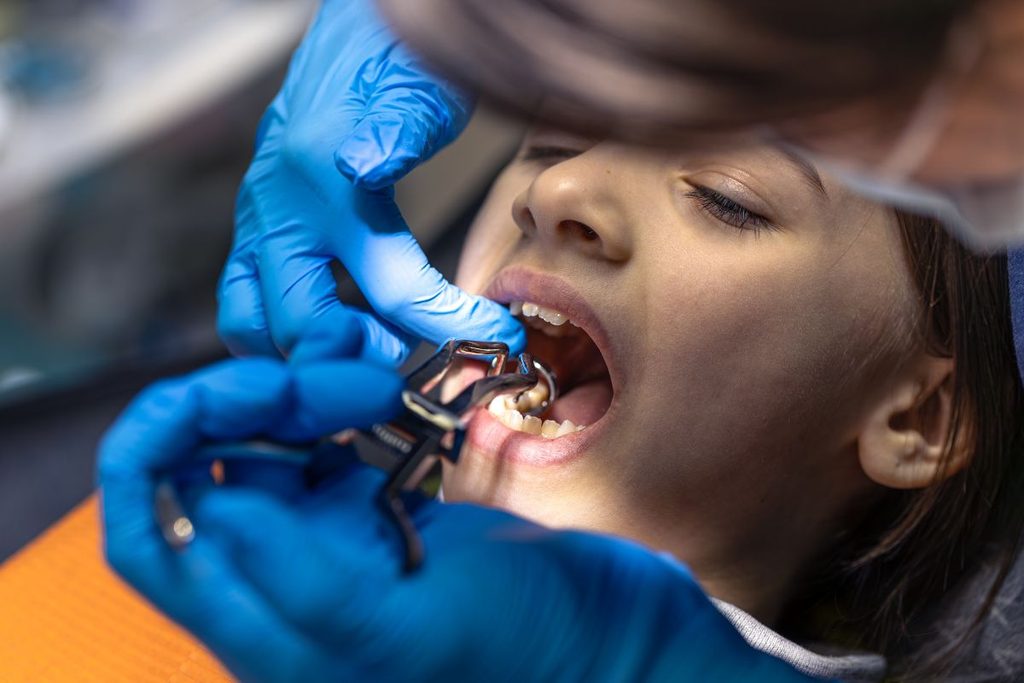
The first step is always a thorough assessment before any treatment decision is made.
Your dentist will examine the tooth visually and may take X-rays or a 3D scan to understand how deep the break extends and whether the root or surrounding bone has been affected. This determines which repair option is appropriate and whether the tooth can be saved at all.
- X-rays, can reveal damage below the gumline that is not visible to the eye
- The location of the break matters as much as the size. A fracture at the root is treated very differently from a chip at the crown
- Your bite will also be assessed, as uneven pressure can worsen an existing fracture over time
- A thorough diagnosis at this stage prevents the wrong treatment being chosen and avoids repeated procedures
Can Dental Bonding Fix a Broken Tooth?
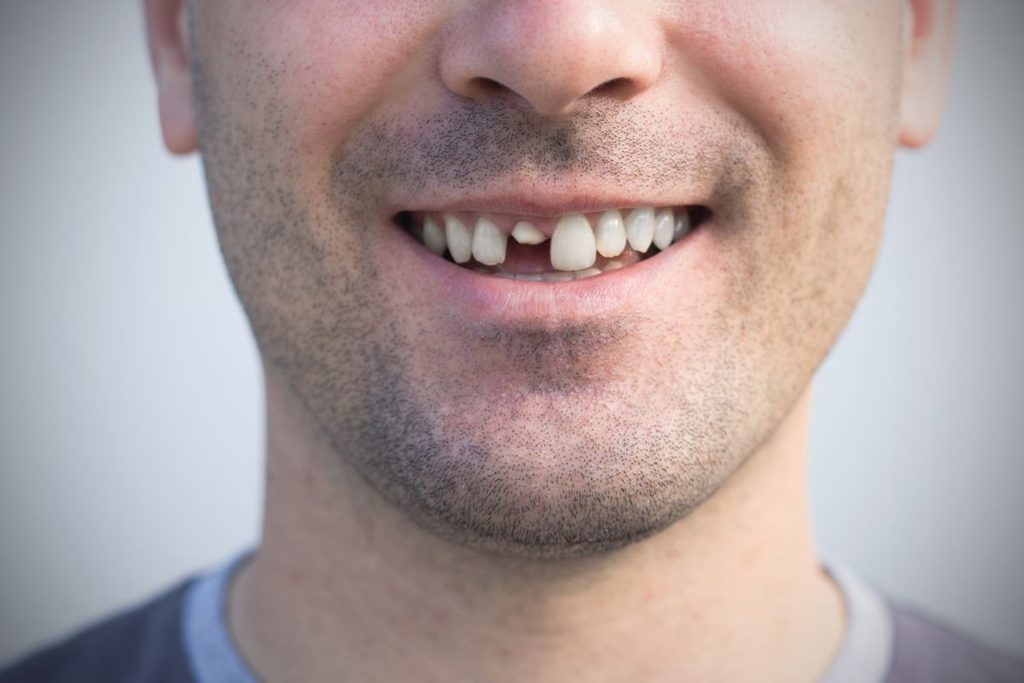
For minor chips and small breaks, dental bonding is often the most straightforward broken tooth repair solution available.
Bonding involves applying a tooth-coloured composite resin directly to the damaged area, shaping it to restore the tooth’s natural appearance and smoothing it to match the surrounding surface. It is completed in a single appointment, requires no anaesthesia in most cases and is among the most accessible repair options in terms of both time and cost.
- Best suited to small chips, minor fractures and breaks that have not affected the inner layers of the tooth
- The composite resin is matched to the shade of your surrounding teeth
- The procedure typically takes 30 to 60 minutes per tooth
- Bonding is durable but not as strong as a crown. It may need to be replaced after five to ten years depending on wear
If the break is small and the tooth structure beneath is intact, bonding is a reliable and conservative first option for broken tooth repair.
When Is a Dental Crown the Right Repair?
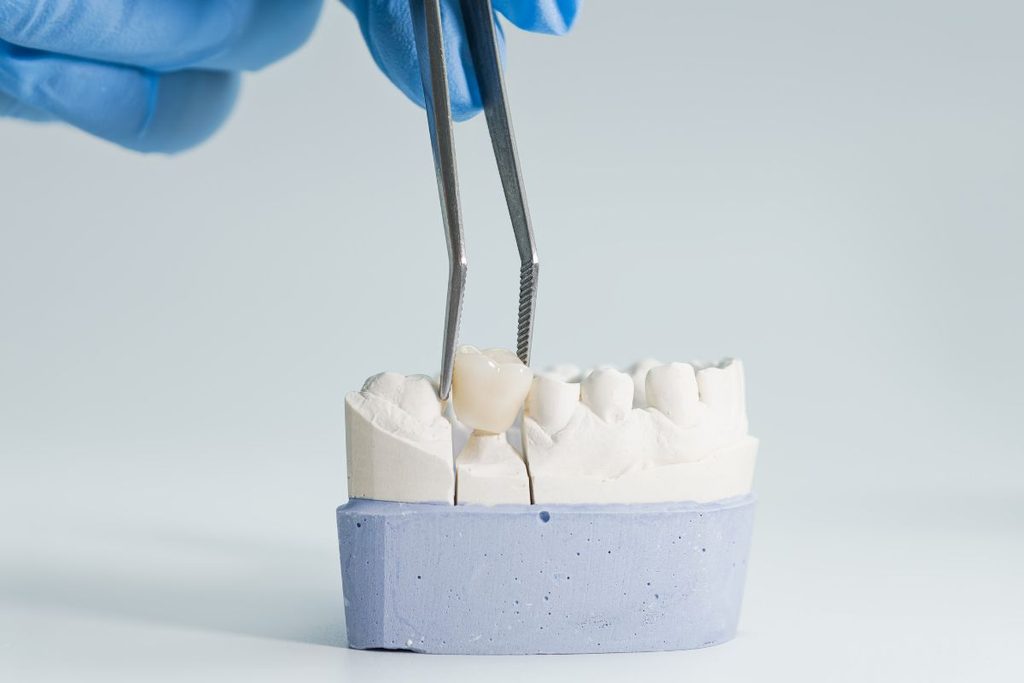
When a tooth has lost a significant portion of its structure, a restorative dentistry procedure such as a crown is usually the recommended solution for broken tooth repair.
A crown is a custom-made cap that fits over the entire visible portion of the tooth, restoring its shape, strength and appearance. It protects what remains of the natural tooth from further fracture while distributing bite pressure evenly across the surface.
- Recommended when more than half the tooth has broken away or when the remaining structure is too weak to support a filling or bonding
- Also used after root canal treatment, which weakens the tooth and requires the protection a crown provides
- Crowns are typically made from porcelain, zirconia or a combination of materials matched to the surrounding teeth
- The process usually involves two appointments: one to prepare the tooth and take impressions, and a second to fit the permanent crown
- With proper care, a well-fitted crown can last up to ten to fifteen years
What If the Tooth Fracture has Reached the Nerve?
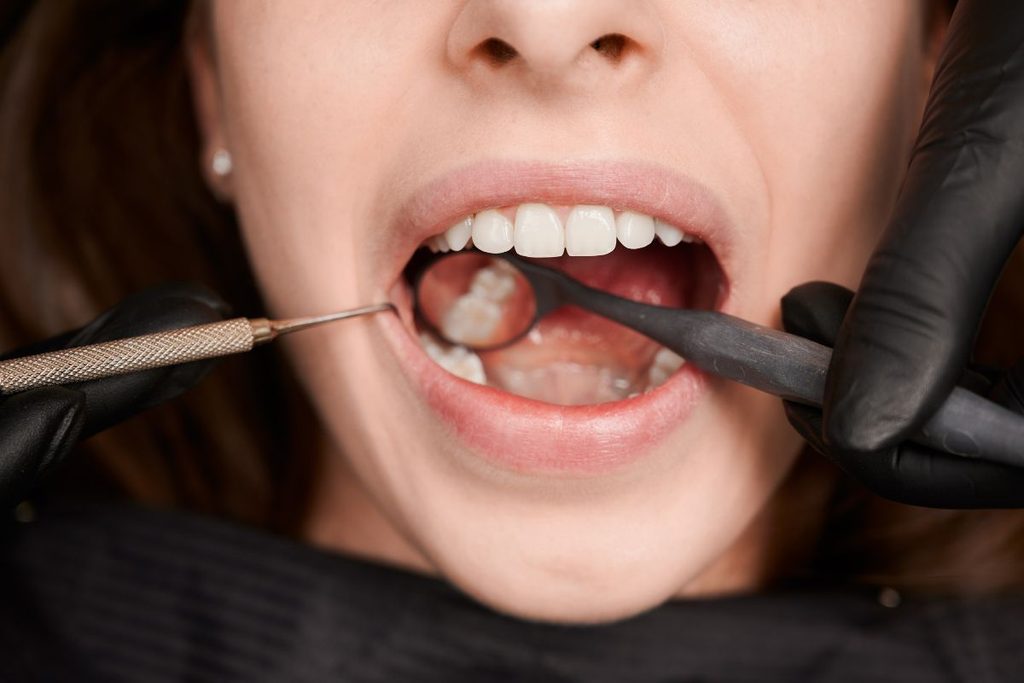
When a fracture extends deep enough to involve the pulp of the tooth, where the nerve and blood vessels sit, a root canal treatment is usually necessary before any restoration can be placed.
This is the scenario that causes most patients anxiety, but root canal treatment is considerably more straightforward than its reputation suggests. The procedure removes the damaged pulp, cleans the canal and seals it to prevent infection. A crown is then placed over the tooth to protect it.
- Symptoms suggesting nerve involvement include sharp spontaneous pain, prolonged sensitivity to temperature and pain that wakes you at night
- Root canal treatment removes the source of pain rather than causing it
- The tooth is preserved rather than extracted, which protects the surrounding bone and avoids the need for a replacement
When Is Extraction the Only Option?
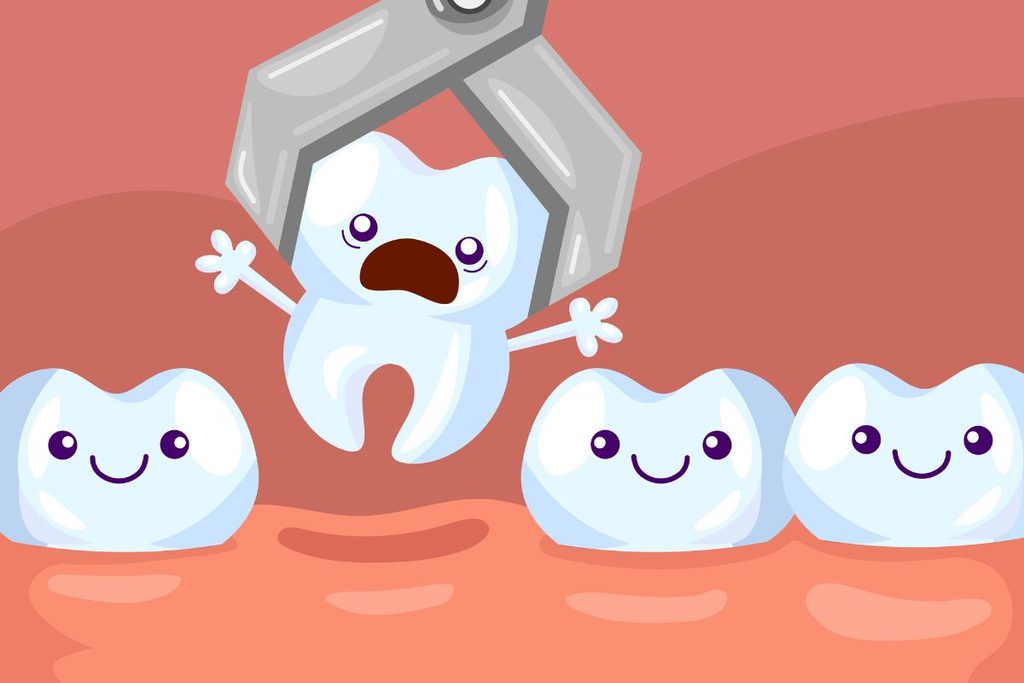
There are situations where a tooth simply cannot be saved, and trying to preserve it causes more harm than good.
A vertical root fracture, where the crack runs lengthwise down through the root, is one of the most common reasons a tooth becomes non-restorable. Infection that has spread extensively into the surrounding bone is another. In these cases, extraction followed by a dental implant is the most clinically sound path forward.
- Persistent infection that has not responded to treatment is a clear indicator that the tooth cannot be saved
- A vertical root fracture is rarely detectable without imaging and is not repairable once confirmed
- Early extraction and implant placement preserves more bone at the site and simplifies the replacement process
- Delaying an extraction that is clinically necessary leads to greater bone loss and a more complex rehabilitation later
A broken tooth rarely gets better on its own, but in most cases it can be repaired effectively when treated promptly. At Dental Square, our team will assess the damage thoroughly and recommend the most conservative treatment that gives you a reliable long-term result. Book a consultation with Dr Ayesha Thajudeen today and find out exactly what your broken tooth repair options are.
Frequently Asked Questions
What should I do immediately after breaking a tooth?
Rinse your mouth gently with warm water and apply a cold compress to your cheek if there is any swelling. If the break has produced a sharp edge, dental wax available from a pharmacy can be used to cover it temporarily. Contact your dental clinic as soon as possible to arrange an assessment, even if you are not in significant pain
Can a broken tooth repair itself?
No. Unlike bone, tooth structure does not regenerate. A chip or fracture will not close or heal on its own. In most cases, leaving it untreated allows bacteria to enter the damaged area, increasing the risk of decay and infection over time
How long does broken tooth repair take?
It depends entirely on the treatment required. Bonding can be completed in a single appointment of 30 to 60 minutes. A crown typically requires two appointments over one to two weeks. Root canal treatment followed by a crown involves two to three appointments. Your dentist will give you a clear timeline once the damage has been assessed