
Have you been ignoring a nagging ache, a shifting tooth or a gap you have simply learned to live with? For many patients seeking dental implants in Colombo, the decision to explore treatment comes only after months or years of manageable but worsening discomfort. Recognising the signs early, makes a significant difference to both your treatment options and your long-term oral health.
Here are five signs that a dental implant, may be the right solution for you.
1. Do You Have One or More Missing Teeth?
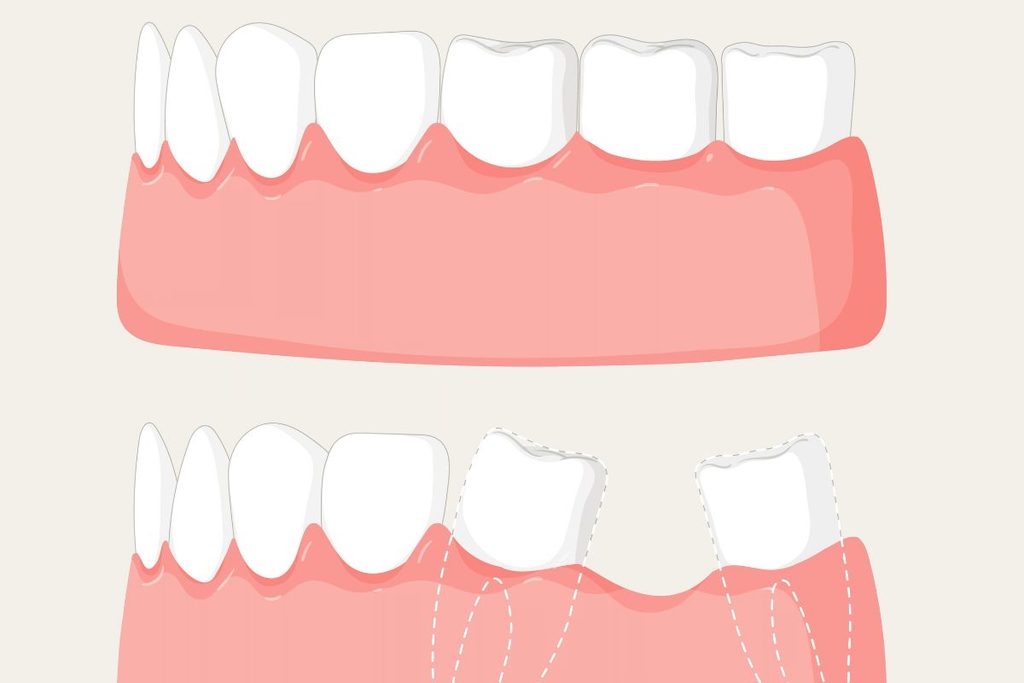
A gap in your smile is the most straightforward sign that an implant needs to be seriously considered.
What many patients underestimate is, the chain of consequences that a single missing tooth sets in motion. The neighbouring teeth begin to shift gradually toward the gap, disrupting your bite alignment. The jawbone beneath the empty socket, no longer stimulated by a tooth root, starts to resorb over time.
- A dental implant replaces the root as well as the visible crown, halting bone loss at the site
- It prevents neighbouring teeth from drifting out of alignment
- Unlike a bridge, an implant does not require the alteration of adjacent healthy teeth
- The result, closely resembles a natural tooth in both appearance and functionThe
sooner a missing tooth is addressed, the more straightforward the treatment tends to be.
2. Are Your Dentures Causing You Daily Discomfort?

Dentures serve a purpose, but for many patients they become a source of ongoing frustration rather than a lasting solution.
Ill-fitting dentures, slip during eating and speaking, causing soreness along the gum ridge and require messy adhesives to stay in place. Over time, the jawbone beneath a denture continues to shrink because there is no root present to stimulate it, which means the fit only worsens as the years pass.
- Persistent slipping, clicking or soreness with your dentures is a sign to have a conversation with your dentist
- Implant-supported solutions eliminate movement entirely by anchoring directly into the jawbone
- Patients who switch from conventional dentures to implant-supported alternatives consistently report significant improvements in confidence and quality of life
- If your dentures were fitted several years ago, the fit may have deteriorated even if it once felt comfortable
3. Is a Tooth So Damaged It Cannot Be Saved?
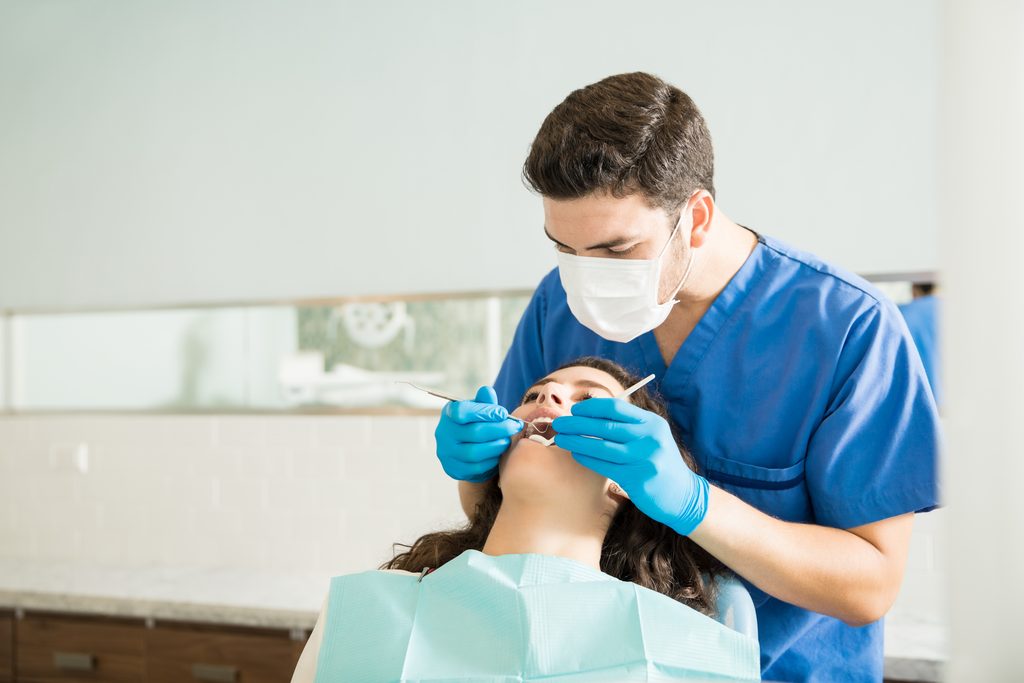
Not every damaged tooth can or should be preserved. In some cases, attempting to save a severely compromised tooth causes more harm than good over the long term.
Deep decay that has reached the root, a fracture that extends below the gumline or a tooth that has failed despite repeated root canal treatment, may all point toward extraction followed by implant placement as the most clinically sound path forward.
- Persistent pain, infection or abscess around a tooth that has not responded to treatment is a significant indicator
- Your dentist will assess whether restoration is still viable or whether extraction is the better long-term decision
- Acting promptly after extraction preserves more bone at the site and simplifies the implant process
4.Has Your Jawbone Begun to Deteriorate?
Bone loss in the jaw is a consequence of tooth loss that many patients are unaware of until it becomes visible in their facial structure.
When a tooth root is absent, the surrounding bone receives no stimulation and gradually resorbs. Over time this can cause a sunken or aged appearance around the mouth, even in relatively young patients. It can also make future implant placement more complicated if left unaddressed for long enough.
- A feeling that your face looks different around the mouth since losing teeth may indicate bone resorption
- Your dentist can assess bone density through X-rays or 3D imaging to determine the current state of your jaw
- Dental implants are the only tooth replacement option that actively stimulates the jawbone and prevents further deterioration
- In cases where significant bone loss has already occurred, a bone graft may be required prior to implant placement
5. Is Your Confidence Affected by the Appearance of Your Smile?

Avoiding social situations, covering your mouth when you laugh, feeling self-conscious in photographs or during conversation are all signs that your smile is affecting your quality of life in ways that go beyond the purely physical. That is a valid and important reason to seek treatment.
- Dental implants are designed to replicate the natural appearance of teeth in shape, colour and proportion
- Because they are fixed and stable, there is no concern about movement or visibility during conversation
- Most patients report that implants feel entirely natural within a short period of adjustment
- Restoring confidence in your smile has measurable benefits for social wellbeing and everyday comfort
Frequently Asked Questions
Can a dental implant be placed immediately after an extraction?
In some cases, yes. Immediate implant placement following extraction is possible when there is sufficient bone present and no active infection at the site. Your dentist will assess your suitability during the consultation and advise on the most appropriate timing for your individual circumstances.
What if I have been missing a tooth for several years
It is still possible to receive an implant even after a prolonged period of tooth loss, though some bone resorption is likely to have occurred in the interim. A 3D scan will determine the current state of your jawbone. If bone volume is insufficient, grafting can be carried out prior to implant placement.
At what age can someone receive a dental implant?
Implants are generally recommended for patients whose jawbone has fully developed, which is typically from the late teenage years onward. There is no upper age limit. Suitability is determined by bone health and general medical history rather than age alone.
What happens if a tooth can’t be saved with a root canal?
If the damage is too advanced for a root canal to work, extraction followed by a dental implant is usually the next option. Dental Square offers dental implants in Colombo for patients who need a permanent replacement after losing a tooth.
If any of these signs feel familiar, the most important next step is a professional assessment. At Dental Square, our specialist team will evaluate your oral health thoroughly and guide you towards the most appropriate solution for your needs. Book a consultation with Dr Ayesha Thajudeen today and take the first step toward a healthy, complete smile.